
September at the YMCA of Greater Pittsburgh
September is an exciting time at the YMCA of Greater Pittsburgh as we welcome a new season filled with opportunities to learn, grow, connect, and belong!
Our Fall Programs are getting underway, bringing members and families back together for favorites like NFL FLAG Football, basketball, swim lessons, youth activities, healthy living programs, and so much more. With the new school year beginning, our Before & After School Care programs are also back in session, providing children with safe, supportive spaces to learn, build friendships, and thrive beyond the school day.
From the classroom to the pool, field, wellness center, and starting line, September is all about bringing people together and creating opportunities for everyone to thrive.
There's so much happening at the Y this fall and we're just getting started!
9/11 STAIR CLIMB
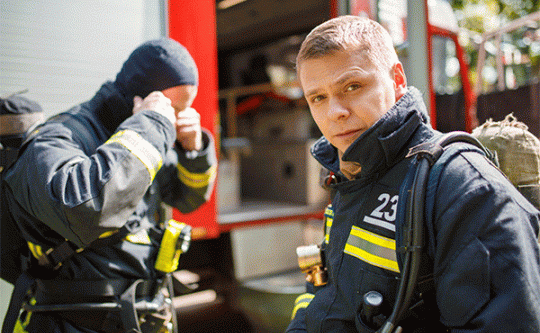
On September 11, we will come together for our 9/11 Day of Remembrance & Stair Climb at the Spencer Family YMCA and Sampson Family YMCA. This meaningful event honors first responders and those we lost through a stair climber and staircase challenge centered on remembrance, reflection, community, and strength.
LIVESTRONG® at the Y
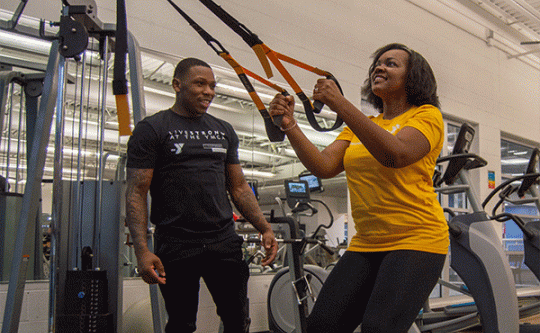
Beginning September 15, new LIVESTRONG® at the YMCA cohorts will empower cancer survivors to regain strength, build confidence, and find support through physical activity and community. At the Y, no one has to navigate the journey alone.
Turkey Trot
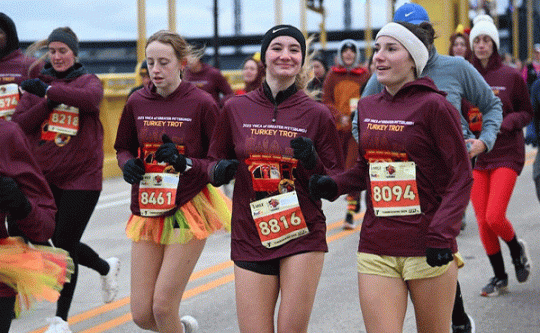
September also marks the kickoff of registration for one of Pittsburgh's favorite Thanksgiving traditions—the 2026 YMCA of Greater Pittsburgh Turkey Trot presented by UPMC Health Plan! Each year, our community comes together to move with purpose, celebrate family and help our neighbors in need.
Senior Health and Resources
September is Senior Health and Wellness Month, and the YMCA of Greater Pittsburgh is celebrating with opportunities to move, connect and thrive! Throughout the month, our Ys offer programs, events and activities designed to help older adults stay active, build meaningful connections and support their overall well-being.
Explore the opportunities below to find new ways to stay healthy, engaged and connected to your Y community. We’ve also gathered trusted educational resources to provide helpful tips and information for supporting healthy aging.
Please note: Educational resources shared on this page are provided for informational purposes only and do not represent an endorsement by the YMCA of Greater Pittsburgh.
Week 1 — KEEP MOVING
Walking, cardio, reducing sitting and finding enjoyable ways to move.
PHYSICAL ACTIVITY AND SEDENTARY BEHAVIOR
Regular physical activity is important to promote well-being in older people. It is beneficial for physical and mental health, and facilitates social inclusion by reducing isolation. Being active supports healthy ageing and can also help manage conditions such as hypertension and type 2 diabetes, reduce symptoms of depression and anxiety, and enhance cognitive function. Conversely, too much sedentary behavior can be unhealthy.
AEROBIC PHYSICAL ACTIVITY
Older adults need 150 minutes of moderate-intensity aerobic physical activity each week, which is equivalent in effort to brisk walking. This could be 30 minutes a day, 5 days a week. Or, to meet recommendations, older adults could get 75 minutes a week of vigorous-intensity aerobic physical activity, which is equivalent in effort to running or jogging. Or they could get an equivalent combination of moderate- and vigorous-intensity physical activity.
Week 2 — STAY STRONG AND STEADY
Strength training, balance, flexibility and fall prevention. This is an especially natural opportunity to introduce YMCA group exercise, water exercise, strength classes or personal training. CDC recommends that adults 65+ incorporate aerobic, muscle-strengthening and balance activities.
ACTIVITIES TO IMPROVE BALANCE
Balance activities help prevent falling, which reduces the risk of injuries such as bone fractures. Walking backward, standing on one leg, or using a wobble board are examples of balance activities. Strengthening back, abdomen, and leg muscles also improves balance.
HOW CAN STRENGTH TRAINING BUILD HEALIER BODIES AS WE AGE?
Some people perform incredible feats of strength and endurance well into their retirement years. The great news is: You don’t have to bench press 300 pounds or run a marathon to show off the benefits of strength training.
NIA-supported researchers have been studying the effects of strength training for more than 40 years and have identified multiple ways it can benefit older adults, including maintaining muscle mass, improving mobility, and increasing the healthy years of life. Learn more below about these findings from NIA-supported researchers, along with their tips for maintaining strength or becoming stronger as we age.
Week 3 — FUEL YOUR HEALTH
Protein, hydration, fruits and vegetables, healthy meals and eating for energy. NIH specifically recommends nutrient-dense foods and emphasizes adequate protein as part of maintaining muscle with age.
HEALTHY FOOD GROUPS AS YOU AGE
Making smart food choices is an important part of healthy aging. Understanding the different food groups — and how much of each should make up your diet — can help you form a healthy eating pattern over time. This article describes the main food groups and other important nutrients recommended for older adults in the Dietary Guidelines for Americans (PDF, 30.6M). We also provide suggestions for how to fit occasional treats into your healthy eating pattern.
HEALTHY MEAL PLANNING FOR OLDER ADULTS
Eating healthfully and having an active lifestyle can support healthy aging. Use the resources below to learn about different patterns of healthy eating and ways to create a nutritious meal plan.
Week 4 — STAY CONNECTED
Social connection, mental wellness, sleep, trying a new activity and staying engaged with others. This one could be particularly powerful for the Y: the National Academies found substantial evidence connecting social isolation and loneliness with poorer health outcomes among older adults.
TIPS FOR STAYING CONNECTED
Everyone needs social connections to survive and thrive. But as people age, they often find themselves spending more time alone. Being alone may leave older adults more vulnerable to loneliness and social isolation, which can affect their health and well-being. Studies show that loneliness and social isolation are associated with higher risks for health problems such as heart disease, depression, and cognitive decline.
HEALTHY AGING TIPS FOR OLDER ADULTS IN YOUR LIFE
If you have older family members or loved ones, you may worry about their health as they age. Aging increases the risk of chronic diseases such as heart disease, type 2 diabetes, arthritis, cancer, and dementia. The good news is that adopting and maintaining a few key behaviors can help older adults live longer, healthier lives. As a family member, it’s important to encourage healthy lifestyle behaviors in your loved ones — it’s never too late to start!
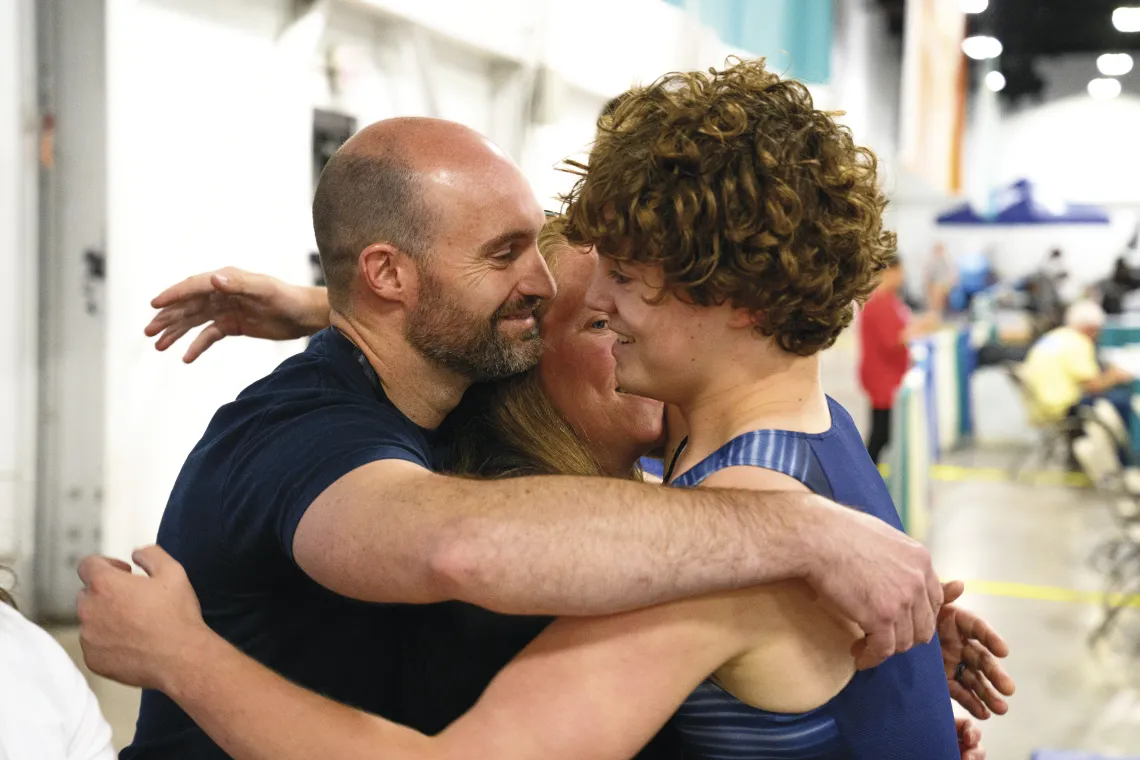
Mental Health Resources
September 6-12 is National Suicide Prevention Week. At the Y, we make mental health awareness and wellness a priority. If you or a loved one is seeking help, see the link below for local mental health resources. Getting help is always the right choice.
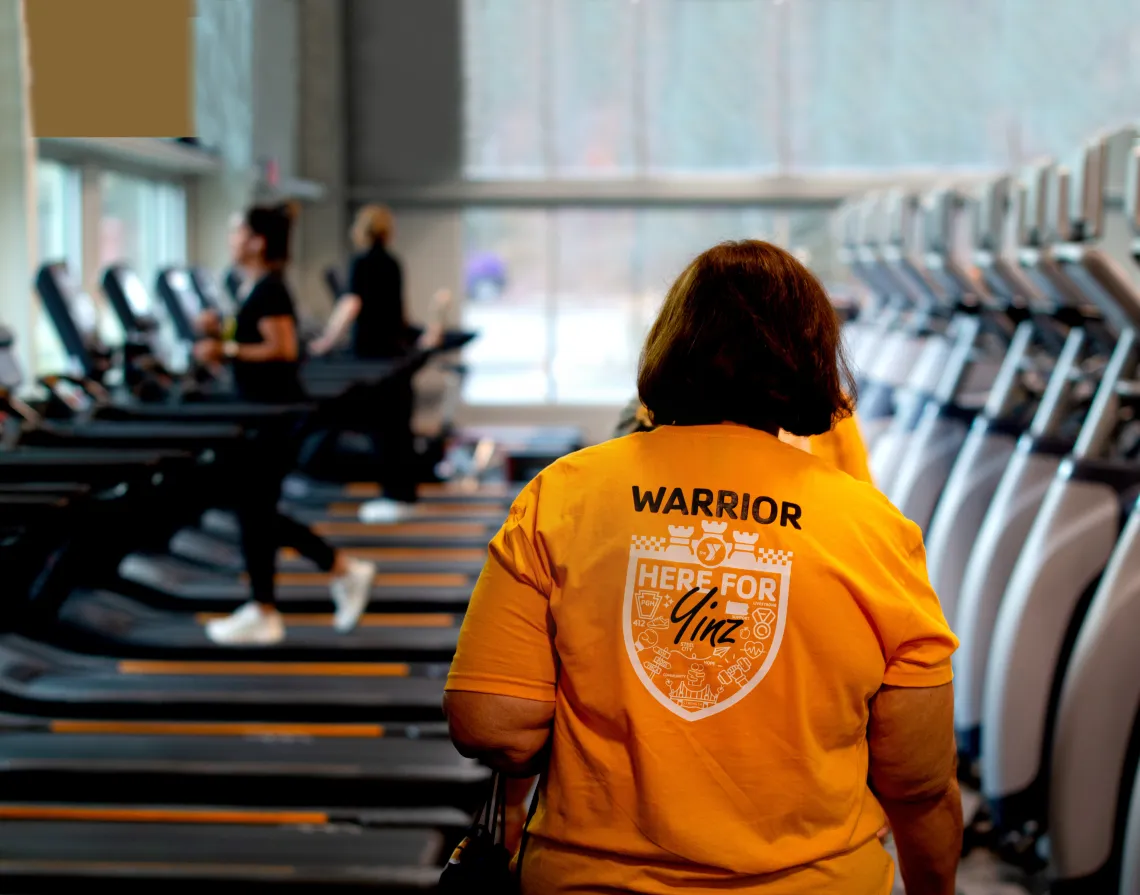
Life Changing Programs at the Y: LIVESTRONG
The YMCA of Greater Pittsburgh is committed to ensuring everyone has the opportunity to lead a healthy, happy life. For the past two years, the LIVESTRONG program offered at Ys across Greater Pittsburgh is giving cancer survivors a chance to regain and maintain strength while building a community of other survivors to lean on and connect to.
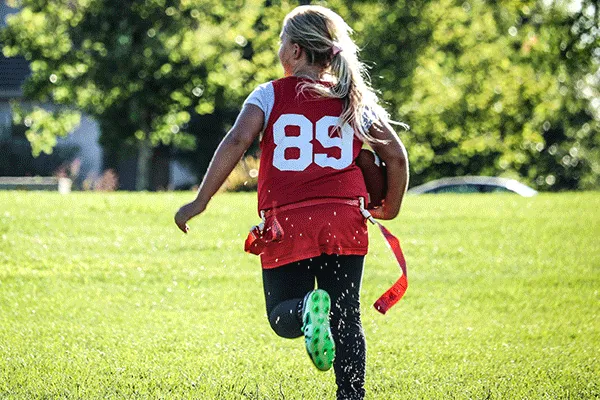
Fall II Registration Opens September 21!
Get ready for another exciting season at the Y! Explore upcoming programs for all ages and interests, and reserve your spot beginning September 21 your next favorite activity is waiting!
YMCA of Greater Pittsburgh