

October brings exciting programs, important awareness initiatives, and community events to the YMCA of Greater Pittsburgh.
Throughout the month, we’ll highlight Kids Mental Health, anti-bullying efforts, breast cancer awareness, youth development, healthy living, and community connection. From celebrating the children and families who make our KidsZone programs special to empowering young people through martial arts and afterschool programs, we’re creating opportunities for everyone to feel supported and included.
Our Ys will also welcome new fitness opportunities through the Les Mills Launch, prepare for the 2026 YMCA of Greater Pittsburgh Turkey Trot presented by UPMC Health Plan, and celebrate the start of another season of youth swimming through the Western PA YMCA Swim League Kickoff.
From the pool to the fitness floor, the classroom to the community, October is all about moving together, supporting one another, and creating opportunities for everyone to thrive.
There’s so much happening at the Y this month—and everyone belongs here!

Turkey Trot
September also marks the kickoff of registration for one of Pittsburgh's favorite Thanksgiving traditions—the 2026 YMCA of Greater Pittsburgh Turkey Trot presented by UPMC Health Plan! Each year, our community comes together to move with purpose, celebrate family and help our neighbors in need.
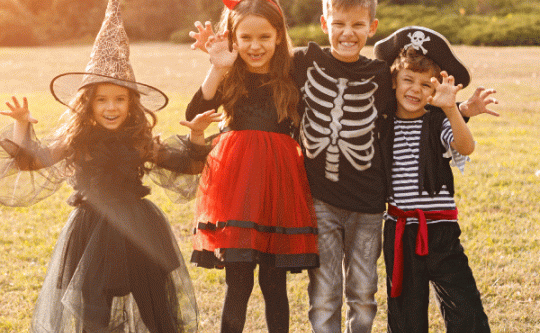
Halloween Events
Get ready for safe, family-friendly Halloween fun at the Y! From Trunk or Treat to the Storybook Trail and Pumpkin Palooza, our branches are creating joyful opportunities for families and community members to celebrate together.

Breast Cancer Awareness Month
Throughout October, we’re recognizing Breast Cancer Awareness Month by highlighting the impact of LIVESTRONG® at the YMCA and the importance of support, movement, and community throughout the cancer journey.
Join us for special programs and events.
Kids Mental Health & Community Support
At the Y, we believe a strong community starts with supporting the holistic well-being of our youth. This October, our focus on Kids Mental Health is designed to promote safe spaces, build resilience, encourage kindness, and support the emotional well-being of children and families.
Throughout the month, we’ll share resources and opportunities focused on:
- Anti-Bullying Awareness: Encouraging kindness, respect, inclusion, and positive relationships.
- Youth Mental Health Resources: Sharing information to help families support children’s emotional well-being.
- Lights On Afterschool: is an annual nationwide event celebrating afterschool programs and their importance to children, families, and communities, scheduled for October 22, 2026.
The YMCA is committed to creating environments where children feel safe, supported, valued, and encouraged to be themselves.
Please note: Educational resources shared on this page are provided for informational purposes only and do not represent an endorsement by the YMCA of Greater Pittsburgh.
Teen Mental Health Support 101: Types of Treatment & How to Get Help
By: Maria H. Rahmandar, MD, FAAP & Michael D. Colburn, MD, MEd, FAAP
In every community across the U.S., parents feel worried about the mental health challenges their children face—and with good reason. Nearly 1 in 5 young people aged 12 to 17 have a mental health diagnosis. Millions more struggle with mental health issues that haven’t been identified yet.
If you’re concerned about your tween or teen’s mental health here’s what to know about getting more support and where to start.
What are adverse childhood experiences?
Adverse childhood experiences, or ACEs, are potentially traumatic events that occur in childhood (0-17 years). Examples include:1
- Experiencing violence, abuse, or neglect.
- Witnessing violence in the home or community.
- Having a family member attempt or die by suicide.
Also included are aspects of the child’s environment that can undermine their sense of safety, stability, and bonding. Examples can include growing up in a household with:1
- Substance use problems.
- Mental health problems.
- Instability due to parental separation.
- Instability due to household members being in jail or prison.
The examples above are not a complete list of adverse experiences. Many other traumatic experiences could impact health and well-being. This can include not having enough food to eat, experiencing homelessness, or unstable housing.2345
The Essentials for Childhood framework is intended for anyone committed to the positive development of children and families, and specifically to the prevention of all forms of child abuse and neglect. It is organized into four sections, with each one focused on a goal and related steps. While each individual goal is important, the four goals together are more likely to build the foundation of safe, stable, nurturing relationships and environments.
Kids love Halloween. The holiday sparks spooky thrills and creativity—when children and teens can dress up and pretend. For many, it's a time to celebrate with friends and enjoy trick-or-treating outdoors.
But Halloween can also bring a few real-life scares. From costume mishaps to safety concerns, it's important to plan ahead. Help keep Halloween fun and safe for your family with these tips.
Halloween can be tricky for children with food allergies. Kids often haul home pounds of treats, and even small amounts of an ingredient they are allergic to can cause a potentially life-threatening reaction.
Reading before eating
- Always read the ingredient label on any treat your child receives. Many popular Halloween candies contain some of the most common food allergens, such as peanuts or tree nuts, milk, egg, soy or wheat.
- If the ingredients aren't listed, arrange for a treat "exchange" with classmates or friends. Or, bag up the goodies your child can't eat because of an allergy and leave them with a note asking the "Treat Fairy" or "Switch Witch" to swap them for a prize.
- Be aware that even if they are not listed on the ingredient label, candies (both chocolate and non-chocolate) are at high risk of containing trace amounts of common allergy triggers. That's because factories often produce many different products. Also, "fun size" or miniature candies may have different ingredients or be made on different equipment than the regular size candies. This means that brands your child previously ate without problems could cause a reaction.
- Teach your child to politely turn down home-baked items such as cupcakes and brownies, and never to taste or share another child's food.